Colour Grading vs Colour Correction: What's the Difference?
Colour correction fixes problems. Colour grading creates a look. Here's how they differ and why your project needs both.
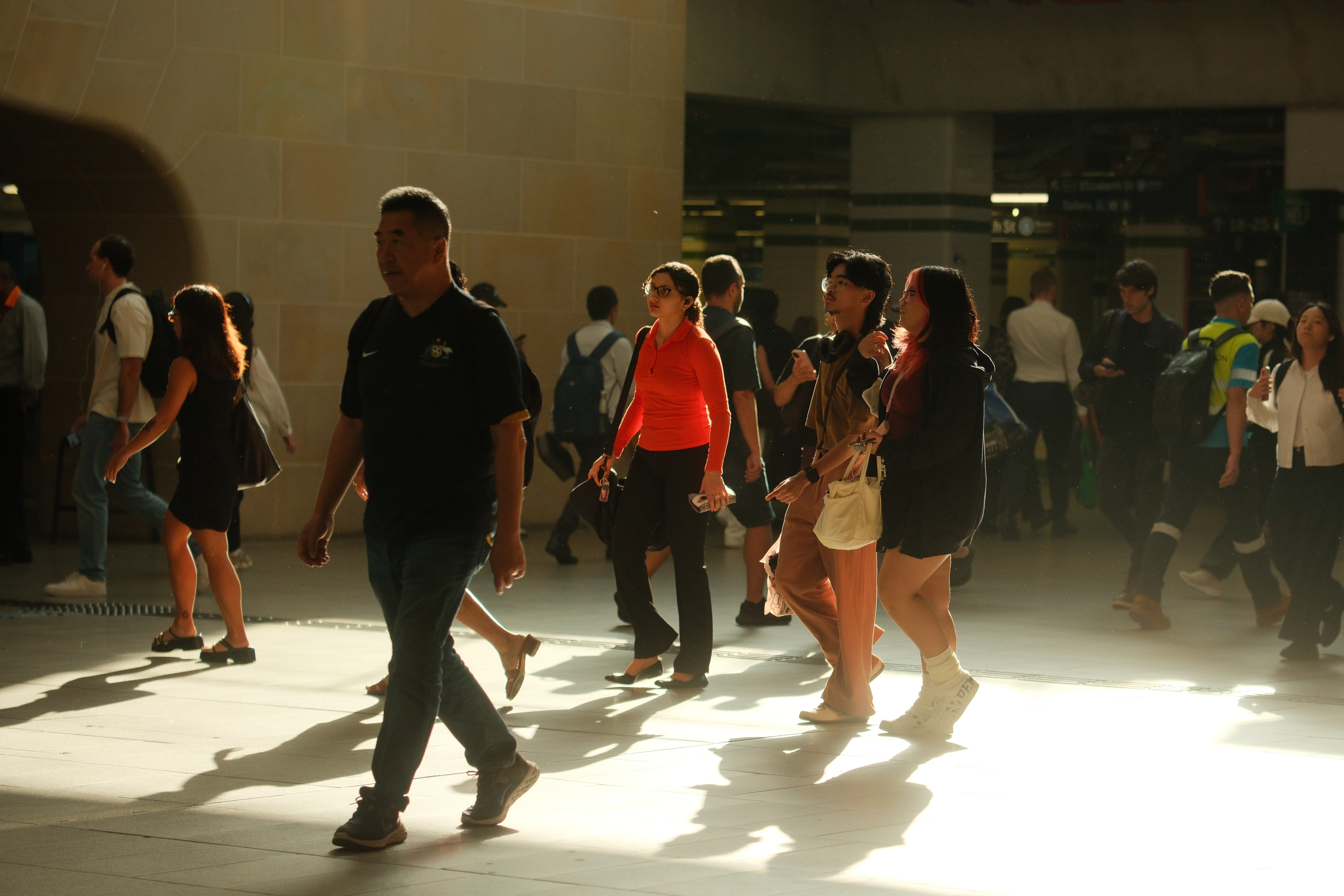
If you’ve spent any time researching post-production, you’ve probably seen the terms colour grading and colour correction used interchangeably. I get it. They sound similar, they both involve manipulating colour, and they both happen after the shoot wraps. But the difference between colour grading and colour correction is significant, and understanding it will change how you approach your projects.
As a colourist working out of Sydney, I deal with this question constantly. So let me break it down clearly. Colour grading vs colour correction: two distinct stages, two different purposes, one shared goal of making your footage look its absolute best.
What Is Colour Correction?
Colour correction is the technical foundation of the colour pipeline. Think of it as the cleanup stage. When footage comes off a camera, it rarely looks perfect straight away. White balance might be off. Exposure could be inconsistent between shots. Skin tones might lean too green or too magenta. One angle of an interview looks warm while the reverse angle looks cool.
What is colour correction in practice? It’s the process of fixing all of those problems. The goal is to make your footage look neutral, balanced, and consistent from shot to shot.
Here’s what I’m typically doing during a colour correction pass:
- Adjusting exposure so highlights aren’t blown and shadows have detail
- Setting accurate white balance across every clip
- Balancing skin tones so they look natural
- Matching shots within a scene so cuts feel seamless
- Correcting any colour casts introduced by mixed lighting
This stage is about accuracy. I’m working with scopes, waveforms, and vectorscopes to make sure the image is technically sound. It’s not glamorous work, but it’s essential. If you skip this step, everything you try to do creatively afterwards will be built on a shaky foundation.
What Is Colour Grading?
If colour correction is the cleanup, colour grading is where the storytelling begins. This is the creative stage where you build a look, set a mood, and use colour to shape how the audience feels.
I’ve written in more detail about what colour grading is in a previous post, but here’s the short version. Grading is where you make deliberate creative choices. Maybe you push the shadows towards teal and the highlights towards orange for a cinematic feel. Maybe you desaturate everything and crush the blacks for something gritty and raw. Maybe you keep things bright and pastel for a lifestyle brand.
The difference between colour grading and colour correction comes down to intent. Correction asks, “Is this footage technically right?” Grading asks, “Does this footage feel right for the story?”
During a grading session, I’m thinking about:
- The emotional tone of the scene
- Genre conventions and audience expectations
- The director’s creative vision
- How colour can guide the viewer’s eye
- Consistency of the overall look across the entire project
This is the stage that gets people excited, and for good reason. A well-executed grade can completely transform the feel of a project. You can see the impact of grading across my recent work, where every project has a distinct look tailored to the story being told.
The Key Differences
Here’s a quick comparison to make the distinction crystal clear:
- Purpose: Colour correction fixes technical issues. Colour grading creates a creative look.
- Approach: Correction is objective and driven by accuracy. Grading is subjective and driven by emotion.
- Tools: Correction relies heavily on scopes and waveforms. Grading uses curves, qualifiers, power windows, and LUTs alongside creative intuition.
- Outcome: Correction produces clean, neutral, consistent footage. Grading produces stylised footage with a deliberate mood.
- Skill set: Correction requires strong technical knowledge. Grading requires both technical skill and artistic sensibility.
When people ask about colour correction vs colour grading, this is the core of it. One is a technical process, the other is an artistic one. Both require skill, and both are essential.
Which Comes First?
Colour correction always comes before colour grading. Always.
The reason is simple. You need a clean, consistent starting point before you can apply any creative look effectively. If your shots don’t match each other in terms of exposure, white balance, and overall tone, then any grade you apply will look different on every clip. The inconsistencies will be amplified, not hidden.
Think of it like painting a wall. You wouldn’t apply a decorative finish over a surface full of cracks and holes. You’d fill, sand, and prime first. Correction is the primer. Grading is the paint.
In my workflow, I typically do a full correction pass on every clip in the timeline before I start thinking about the creative direction. Sometimes the correction is minimal, especially if the cinematographer nailed the exposure and lighting on set. Other times it’s more involved, particularly with projects shot across multiple locations or with mixed lighting conditions.
Do You Always Need Both?
For most professional projects, yes. But the balance between the two shifts depending on the type of work.
Corporate and commercial content often leans heavily on correction with a lighter grade. The priority is clean, polished footage that represents the brand accurately. You still want a look, but it tends to be more subtle.
Narrative films and music videos are where grading really takes centre stage. These projects live and die on their visual identity, and the grade is a huge part of that. If you want to see how creative grading can transform a project, check out my showreel for some examples.
Documentary work often requires extensive correction because of unpredictable shooting conditions, with a grade that supports the tone without drawing attention to itself.
Social media and web content can sometimes get away with a lighter touch on both, but even here, a quick correction pass makes a noticeable difference.
No matter the project type, skipping colour correction entirely is a mistake. Even if the grade is minimal, your footage needs that technical foundation.
FAQ
Can I do colour correction and colour grading in the same software?
Absolutely. DaVinci Resolve, which I use for almost all of my work, handles both correction and grading in the same environment. Premiere Pro, Final Cut Pro, and other NLEs also have tools for both stages. The software isn’t what separates the two processes. It’s the intent and the approach.
Is colour correction the same as applying a LUT?
Not quite. A LUT (Look-Up Table) is a preset colour transformation, and while some LUTs are designed for correction purposes (like converting log footage to Rec. 709), applying a LUT is not the same as properly correcting your footage. Real colour correction is a manual process where each shot is evaluated and adjusted individually.
How long does colour grading vs colour correction take?
It depends on the project. For a well-shot short film, correction might take a few hours and grading might take a full day or more. For a corporate video with consistent lighting, the whole process could be done in a single session. Projects with challenging footage or complex creative requirements naturally take longer.
Wrapping Up
The distinction between colour grading vs colour correction is one of the most important concepts to understand in post-production. Correction gets your footage to a clean, neutral starting point. Grading takes it somewhere meaningful. Both stages require skill, attention to detail, and an understanding of what the project needs.
If you’re working on a project and want to make sure your colour is handled properly from correction through to the final grade, I’d love to hear about it. Feel free to get in touch and let’s talk about how to make your footage look exactly the way it should.